

Extreme Conditions? Here’s How Slump Retainers Keep Concrete Flowing

HomeBlogExtreme Conditions? Here’s How Slump Retainers Keep Concrete Flowing

When it comes to concrete construction, consistency is everything. Whether you’re pouring a foundation in the sweltering desert sun or transporting batches to remote sites hours away, maintaining the right concrete workability can be a challenge. In ideal conditions, concrete flows smoothly, sets effectively, and retains its strength. But what happens when temperatures soar or
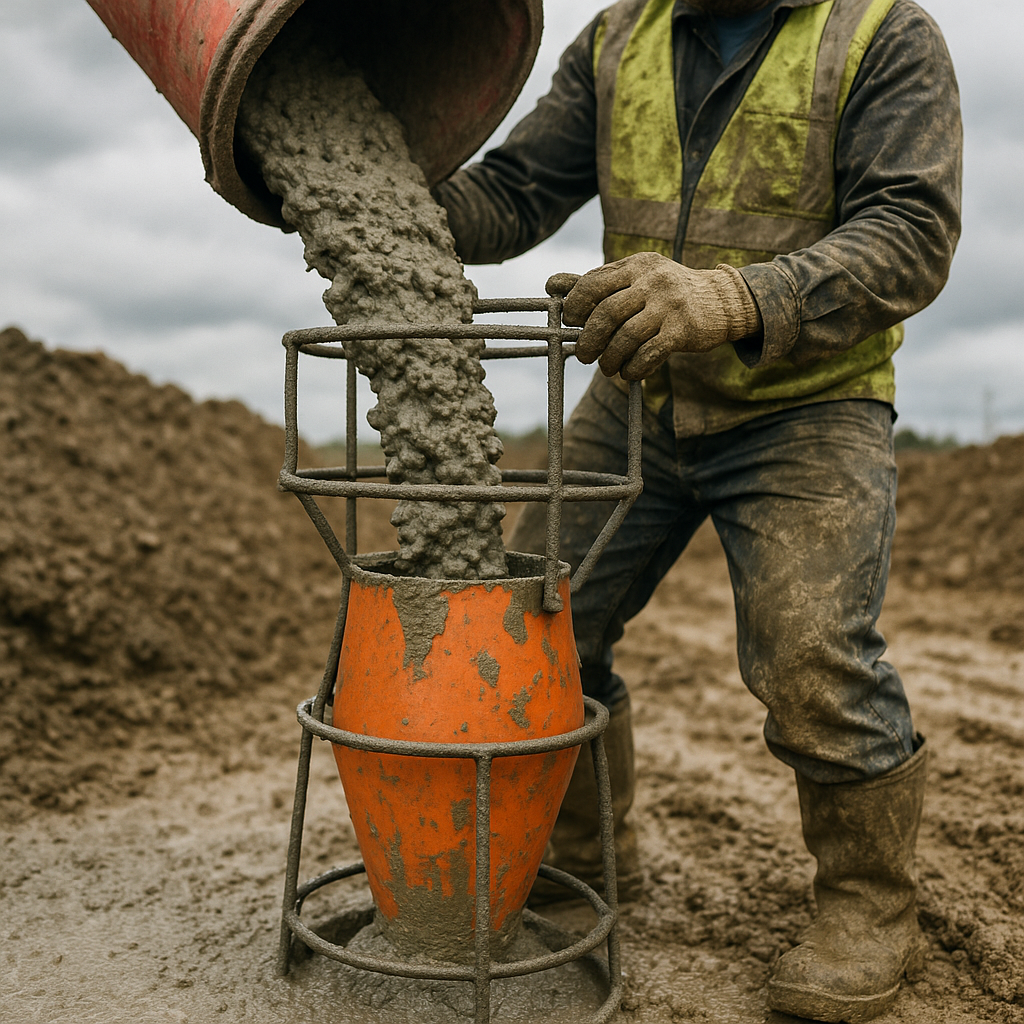

When it comes to concrete construction, consistency is everything. Whether you’re pouring a foundation in the sweltering desert sun or transporting batches to remote sites hours away, maintaining the right concrete workability can be a challenge. In ideal conditions, concrete flows smoothly, sets effectively, and retains its strength. But what happens when temperatures soar or transit times stretch longer than usual? This is where slump retainers, especially advanced additive technologies like the AltusFlow SR and SSR series, step in to ensure your concrete doesn’t let you down when the conditions do.
What Is Slump and Why It Matters

Before diving into extreme conditions and chemical solutions, let’s first understand what slump means in concrete terminology. Slump is a measure of the consistency and workability of fresh concrete. It provides insights into the flow characteristics — essentially how fluid or stiff the mixture is.

The Importance of Maintaining Slump

Maintaining slump is critical because it directly affects:

  • Ease of placement
  • Ability to mold into forms
  • Finishing quality
  • Overall structural integrity

As concrete sits — whether due to transport time or high ambient temperatures — it begins to lose moisture prematurely. This leads to slump loss, making the mixture stiff, unworkable, and harder to place. That’s where slump-retaining admixtures become essential, especially in extreme environments.

Challenge #1: Hot Climates and Rapid Moisture Loss

High temperatures accelerate the hydration process in concrete. While that sounds good in theory, in practice it causes major issues.

Effects of Heat on Concrete Workability

  • Faster Evaporation: Moisture vital for workability escapes rapidly in hot climates.
  • Reduced Set Time: The higher the temperature, the quicker the mix sets, reducing working time.
  • Increased Cracking Risk: Heat-induced shrinkage can cause surface and structural cracks.

To prevent these problems, contractors are turning to chemical technologies that can help concrete ‘keep its cool’ — and workability — under pressure.

Challenge #2: Long Transport Times

For projects located at considerable distances from batching plants, such as rural developments or infrastructure work, concrete can spend hours in transit. This time-lag creates opportunities for slump loss even before the mix arrives on-site.

Why Long Transit Times Harm Concrete

  • Mechanical agitation in drums can reduce air content and affect consistency.
  • Ambient exposure leads to water evaporation and premature stiffening.
  • Multiple additions of water may be required on-site — reducing strength and durability.

That kind of guesswork and degradation isn’t an option for high-spec concrete applications. That’s why slump retention technologies such as the AltusFlow SR and SSR series are engineered specifically to respond to these factors.

Introducing AltusFlow SR & SSR Series

The AltusFlow SR (Slump Retainer) and SSR (Super Slump Retainer) admixture series are high-performance chemical solutions designed to combat slump loss even in the harshest conditions.

What Makes AltusFlow Stand Out

  • Tailored Formulations: Engineered to retain slump anywhere from 30 minutes to over 2 hours.
  • Heat Resilience: Maintains workability even under scorching site conditions or delayed finishing.
  • Quality Control: Enables more predictable outcomes, reducing on-site corrections like retempering with water.
  • Sustainability Friendly: Reduces wastage and improves material efficiency.

Key Differences Between SR and SSR Lines

While both products excel in maintaining consistent workability, they are tailored for slightly different applications:

FeatureAltusFlow SRAltusFlow SSR
Retention TimeUp to 1.5 hoursUp to 2+ hours
Best Use CaseModerate transit or temperature conditionsExtreme heat or long hauls
CompatibilityStandard concrete mixesHigh-performance or flowable concrete

How They Work: Behind the Chemistry

So what’s the science behind these powerful admixtures? Both SR and SSR series function by modifying the interaction between cement particles and water molecules, essentially throttling back the hydration process to prevent premature setting.

Mechanisms at Play

  • Molecular Binding: Special additives delay the rate at which water reaches reactive cement surfaces, extending workability.
  • Dispersion: Keeps particles suspended, preventing clumping and early stiffening.
  • Thermal Tolerance: Active ingredients perform consistently even as mix temperatures rise.

Benefits for Contractors and Ready-Mix Plants

Integrating slump retainers like the AltusFlow SR and SSR series provides real-world advantages that go beyond laboratory results.

1. Operational Flexibility

  • Extended working time reduces pressure on placing and finishing crews.
  • Improved delivery windows reduce wastage due to consistency issues.

2. Enhanced Quality Control

  • Less water adjustment on-site maintains specified w/c ratios.
  • Predictable behavior under variable site conditions.

3. Economic & Environmental Savings

  • Minimized rework due to poor flow or surface defects.
  • Reduced cement demand through optimized mix designs.

Real-World Applications

From sprawling highway projects in Arizona to high-rise pours in Dubai’s 100°F heat, AltusFlow additives have helped maintain integrity under pressure. Contractors have reported up to a 40% reduction in on-site corrections and significant boosts in labor efficiency using SSR series in extreme environments.

Top Applications

  • Remote or rural job sites where bowls of concrete travel longer distances.
  • Large-scale building foundations requiring extended pour times.
  • Hot weather concreting in desert or tropical regions.

Conclusion: Stay In Control with Slump Retainers

In concrete applications, timing and consistency can make or break a project. As construction pushes into more extreme terrain and tighter timelines, dependable slump control isn’t just a bonus — it’s a necessity. The AltusFlow SR and SSR series offer adaptable, powerful solutions that let engineers and contractors pour with confidence, even when nature or logistics try to say otherwise.

Don’t let your mix dictate your schedule — control the slump, control the outcome.

Previous:
Custom PCE Formulations: From Lab to On-site – A Step-by-Step Guide
Next:
Comparing PCE vs. SNF Admixtures: Performance, Cost, and Applications